Long desert highways can look peaceful, but they are demanding in a different way than city traffic. The scenery changes slowly, traffic can be light for miles, and the heat wears on you even when the A/C is on. That combination makes it easy for your brain to switch into “autopilot,” which is when fatigue creeps in and reaction time slows.
A bit of planning and some honest self-checks go a long way toward keeping those long desert runs safe.
Why Desert Drives Wear You Out Faster
Desert driving often means long, straight stretches with very few visual changes. Your eyes and brain do not get the constant variety of signals they see in town, so you can feel drowsy even when the road looks easy. Bright sunlight, glare off the pavement, and shimmering heat mirages make your eyes work harder, especially if you already have mild vision issues.
The environment itself adds stress. High temperatures dry you out faster than you realize, and that mild dehydration alone can make you tired and foggy. Wind noise, engine hum, and a steady A/C fan can turn into background “white noise” that lulls you into a drowsy state if you are not paying attention to how you feel.
Early Signs You Are Getting Too Tired to Drive
Fatigue does not usually arrive all at once. It builds in stages, and catching the early signs gives you time to do something about it. Some warning signals many drivers notice include:
- Blinking more often or having trouble keeping your eyes fully open
- Missing exits or turns you meant to take, even on familiar routes
- Letting your speed drift up and down without meaning to
- Struggling to remember the last few miles you just drove
- Feeling your head nod, or catching yourself drifting toward the rumble strip
If you notice two or three of these at once, that is your cue to treat fatigue as a real hazard, not something to push through “just a little longer.”
Pre-Trip Prep: Set Yourself Up for a Safer Drive
Good planning before you ever hit the highway can delay fatigue and make the whole trip smoother. A simple pre-trip checklist might include:
- Rest: Aim for a full night’s sleep before a long drive, not a short nap
- Hydration: Bring plenty of water and start the trip already hydrated
- Food: Eat a light, balanced meal instead of heavy, greasy fast food
- Route: Plan fuel stops and rest breaks every couple of hours, especially where services are sparse
- Comfort: Adjust seat, mirrors, and steering wheel so you sit upright without strain
It also helps to look over basic vehicle items like tire pressures, coolant level, and A/C performance. A car that runs too hot, rides rough, or has a noisy vibration will wear you out faster and add stress you do not need in the middle of the desert.
Smart Habits Behind the Wheel on Long, Empty Highways
Once you are on the road, small habits make a big difference in how quickly fatigue builds. Try to keep your environment just stimulating enough to stay alert. That might mean listening to a conversation, a podcast, or music that keeps your mind engaged without becoming a distraction.
Use regular breaks even if you “feel fine.” Getting out to stretch, walking for a few minutes, and changing your visual focus helps reset your body and brain. If you are traveling with someone else who drives, agree on realistic driving shifts instead of one person trying to handle the entire stretch alone. We often remind drivers that arriving a little later but rested is far better than fighting sleep for the last hour.
How Heat, Dehydration, and A/C Use Affect Alertness
In desert areas, you can feel tired simply from sitting in warm, dry air for hours. Even with the A/C on, the cabin can fluctuate between chilly and warm depending on the sun angle and fan speed. Running the A/C very cold can make some people feel sluggish, while running it too warm leaves you drained. Adjust the temperature so you feel comfortably cool, not freezing.
Dehydration sneaks up in these conditions. If you are not stopping to use the restroom now and then, you may not be drinking enough. Caffeine can help for short bursts, but relying on it heavily without water often leads to a crash in energy later. We see a lot of long-trip drivers who feel exhausted at the end of the day, mostly because they ran all day on coffee, heat, and very little water.
Owner Mistakes That Increase Fatigue and Risk
Certain choices make driver fatigue hit harder and earlier than it has to. Common examples include starting a long trip late in the day after work, skipping real meals in favor of snacks and energy drinks, and pushing through obvious drowsiness to “get there sooner.” Night driving on dark desert highways, with little traffic and long gaps between towns, makes these habits even more risky.
Another mistake is trusting lane-keeping systems or adaptive cruise control to “watch things” for you. Those features can help, but they are meant to assist an alert driver, not replace your attention. If you catch yourself letting the car’s technology do the work while your mind drifts, that is a sign you need a break, not another hour behind the wheel.
After-the-Drive Checks to Keep You Ready for the Next Trip
Once you reach your destination, a quick look around the vehicle can help you spot any issues that develop along the way. Check for new vibrations, unusual tire wear, or any warning lights that came on during the trip. If the car felt unstable in crosswinds, pulled during braking, or ran hotter than usual on climbs, those are worth having inspected before your next long drive.
Taking a bit of time to rest properly at the end of each leg of the trip matters too. Good sleep between driving days does more for safety than anything you can drink or eat on the road. When our technicians talk with customers who do frequent long-distance driving, the ones who stay fresh tend to treat rest and recovery just as seriously as fuel and fluids.
Get Long-Trip Safety Checks in Tempe, AZ with American Five Star Auto Repair & Transmission
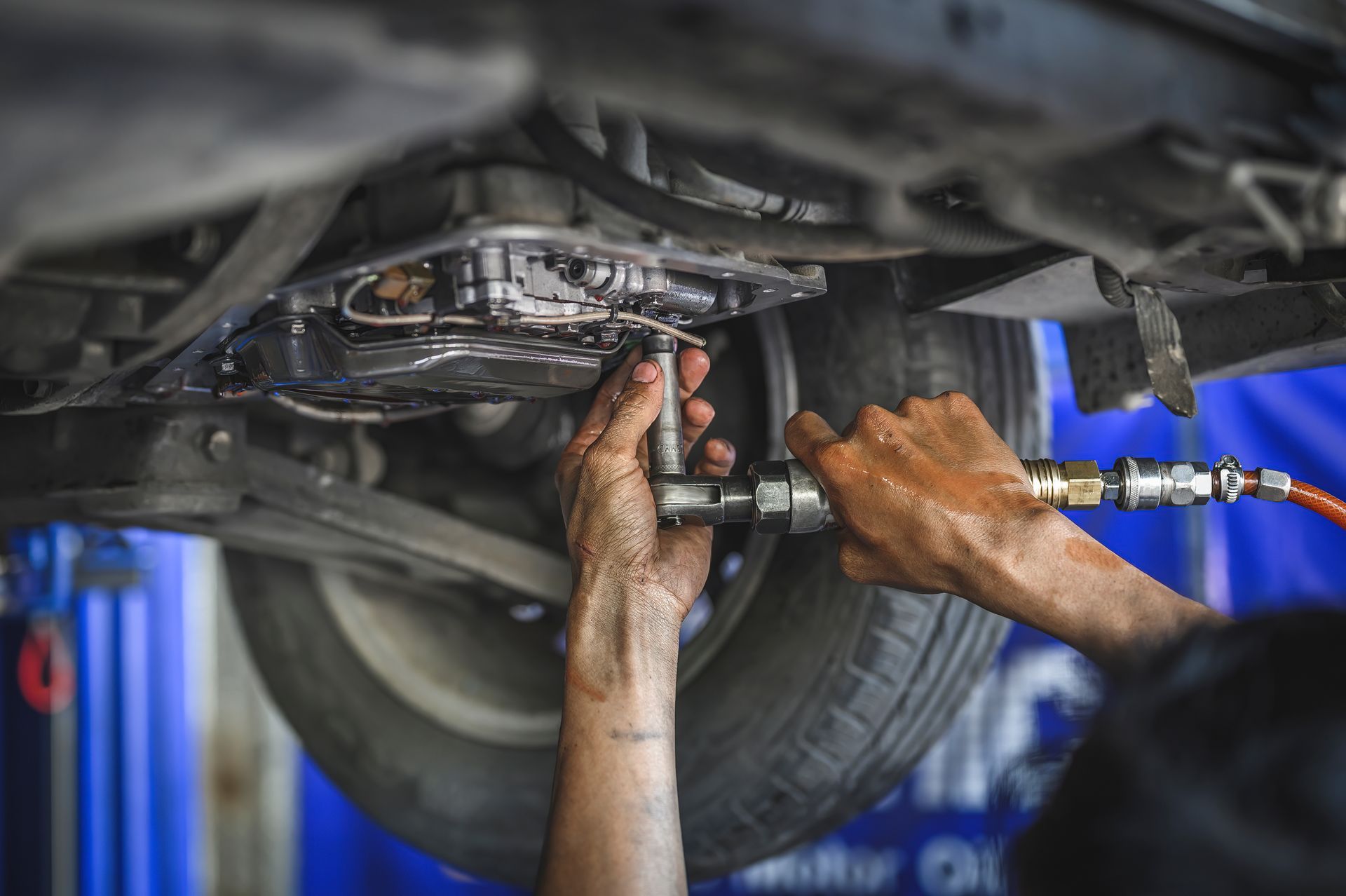
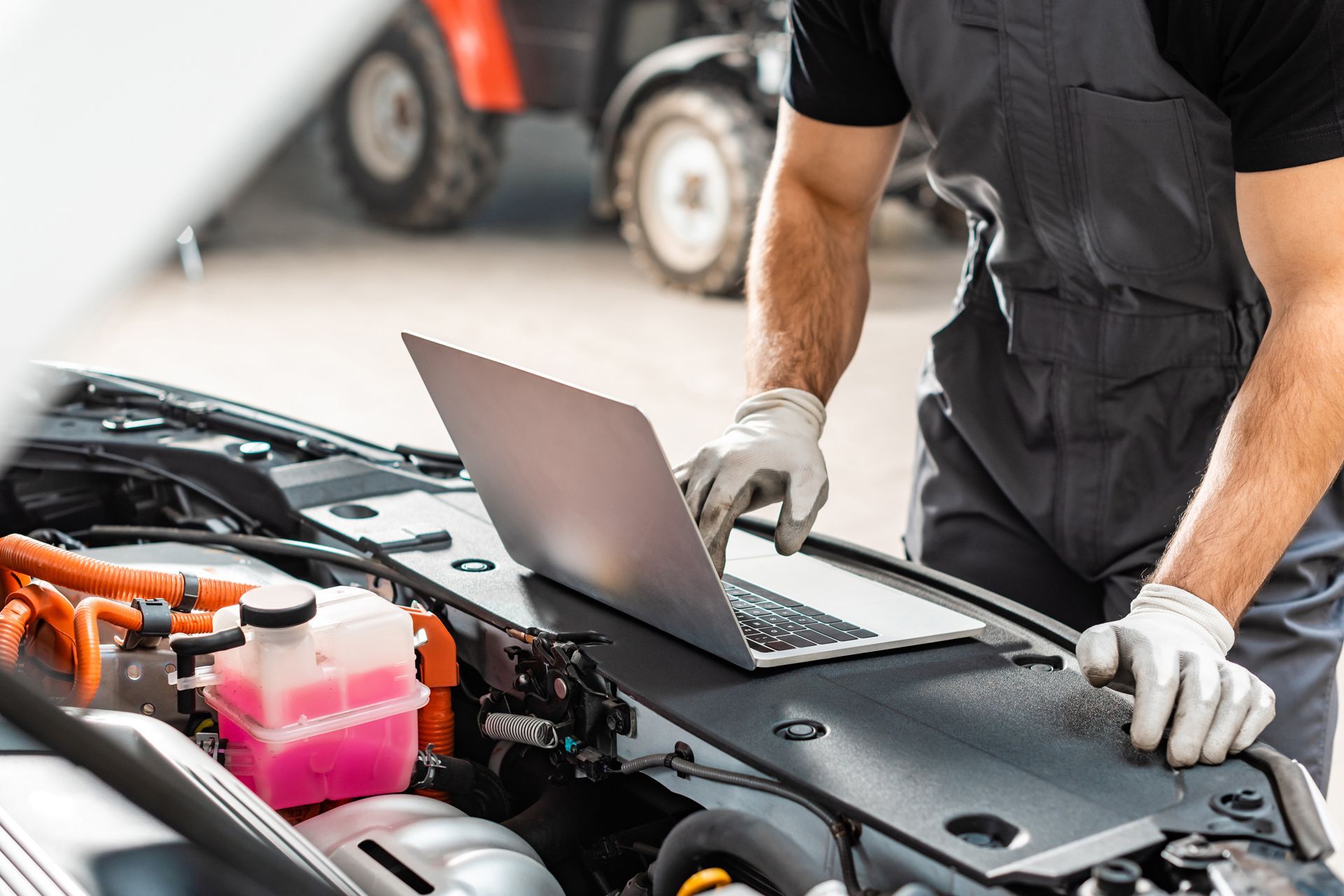
We can look over your tires, brakes, fluids, charging system, and A/C to make sure your car is ready for long desert drives before you leave town. We will explain which items matter most for high-heat, long-distance trips so you can travel with fewer surprises.
Call
American Five Star Auto Repair & Transmission in Tempe, AZ, to schedule a pre-trip safety check and head into the desert feeling confident, not worn out.

How to Get 200,000+ Miles Out of Your Car Without Breaking the Bank | American Five Star Auto Repair