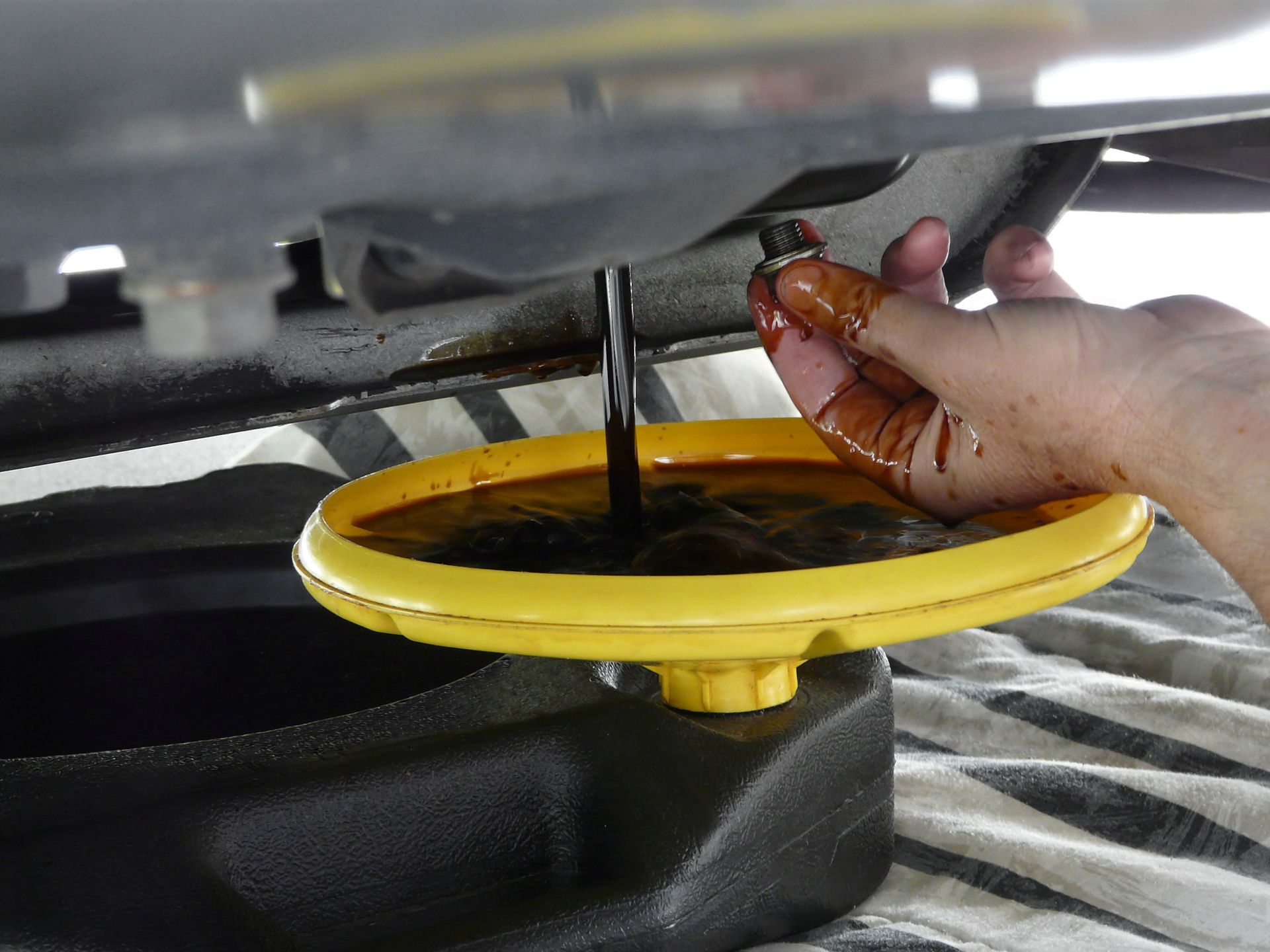
When your oil level keeps dropping, the first question is usually simple: Is the engine using oil internally, or is it escaping somewhere and you’re not seeing it? Both are common, and both can get expensive if you ignore them long enough.
The good news is you can often tell which direction it’s heading by looking at a few patterns, and that can keep you from chasing the wrong fix.
Oil Loss Can Come From Two Places
If oil is leaving the engine, it’s either leaking out externally or getting burned during combustion. External leaks can drip, seep, or spread across the underside and bake off on hot parts. Internal oil use can be gradual and barely noticeable until you start adding oil between services.
The frustrating part is that modern exhaust systems can hide evidence. A catalytic converter can reduce visible smoke, and plastic belly pans can hide drips. So you have to pay attention to clues that aren’t just puddles and clouds.
Clues That Point More Toward An External Oil Leak
Leaks often leave a trail, even if you never see a spot on the driveway. Look around the engine bay for wet or dark areas on gasket seams, especially near the valve cover, oil filter housing area, front timing cover area, and the rear of the engine. Oil can also collect on an undertray and spread out, so the leak source might be higher than where you see residue.
Smell is another clue. If you notice a burnt oil odor after driving, especially when you stop, and heat rises off the engine, oil may be dripping or seeping onto a hot surface. In the Arizona heat, that smell can show up fast because engine bay temperatures run high.
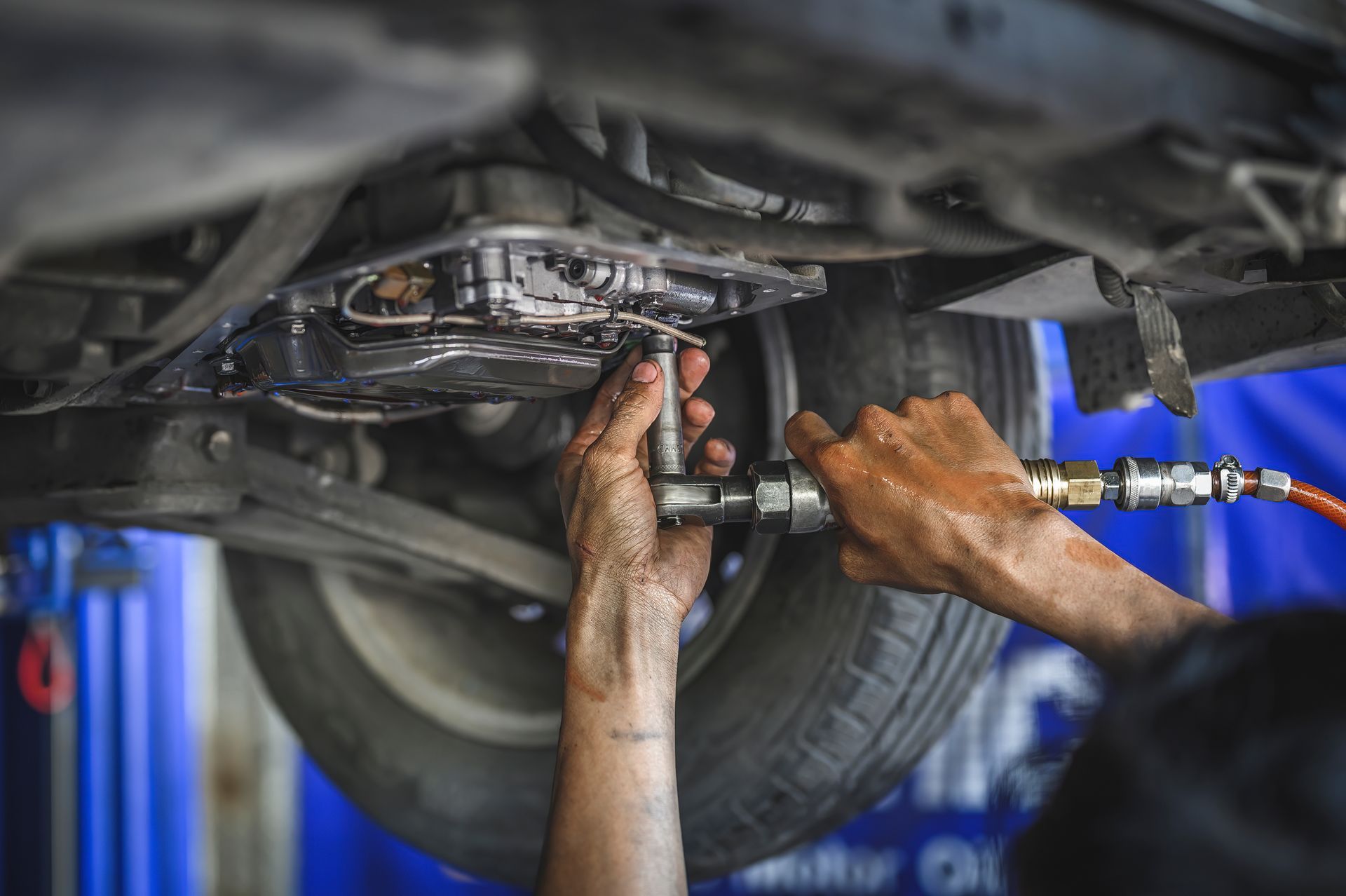
Another common sign is oil on the lower splash shields or along the transmission bellhousing area. That can point to a rear main seal leak, but it can also be oil traveling from higher up, so it needs a proper inspection rather than a quick guess.
Clues That Point More Toward Burning Oil Internally
Engines that use oil internally don’t always smoke visibly. Still, there are patterns. Blue or gray exhaust smoke is the classic sign, but it may only happen during startup, after idling, or after a long downhill coast. Those situations can point toward valve stem seal issues or oil being pulled into the intake.
If you’re adding oil and you never see signs of leakage, internal oil use moves higher on the list. Another hint is spark plug fouling, rough idle that shows up over time, or a check engine light tied to catalyst efficiency, because oil burning can slowly contaminate the converter.
Oil use can also rise with high-speed driving, heavy acceleration, or long, hot highway runs. That’s because heat and crankcase pressure can increase the oil vapor being pulled through the ventilation system.
Parts Primer: Where Oil Goes When An Engine Uses It
There are a few common pathways. One is through the crankcase ventilation system, where oil vapor can be pulled into the intake if the system is not controlling flow correctly. Another is past valve stem seals, which can allow oil into the cylinders in certain conditions. The third is oil-control rings that are worn or stuck, allowing oil to remain on the cylinder walls and burn.
None of this is something you can confirm by guesswork alone, because different engines show the same symptom in different ways. The goal is to identify which pathway fits your vehicle and your pattern.
Owner Mistakes That Make Oil Loss More Expensive
The biggest mistake is assuming the oil warning light will protect you. By the time many oil pressure lights come on, the situation can already be risky. Checking the level periodically is cheap insurance, especially if you already know the engine is losing oil.
Another mistake is topping off without tracking how much and how often. If you note the mileage and how much you add, it becomes easier to judge severity and decide what needs to be done. And avoid mixing random oil types or specs. Using the wrong oil can increase consumption or create deposits over time, which can make the underlying issue harder to fix.
A Cost-Smart Plan To Pinpoint The Cause
Start by checking for external leaks during an inspection, including under the engine covers and around common gasket areas. If the underside is coated, cleaning and rechecking can help locate the true source. If there’s no clear leak, the next step is looking at intake oil residue, crankcase ventilation behavior, and any signs of oil burning, including plug condition and exhaust patterns.
In some cases, a dye test can make a slow leak obvious. In other cases, tracking oil consumption over a set mileage window is the best way to confirm what’s happening. We’ve seen drivers waste money replacing gaskets when the real issue was internal oil use, and we’ve also seen the opposite. A methodical check is usually the cheapest path.
After-The-Fix Habits That Help Keep Oil Level Stable
Once the root cause is handled, keep it simple. Check the oil level regularly, especially before long trips. Stick to the correct oil spec and service interval that fits how you drive. If you notice consumption starting to rise again, address it early, because small changes are easier to handle than a long-term pattern.
Get Your Engine Inspected in Tempe, AZ with American Five Star Auto Repair & Transmission
If your oil level is dropping and you’re tired of guessing whether it’s leaking or being used internally, we can inspect for hidden leaks, check common trouble areas, and narrow down what fits your engine and driving pattern. We’ll explain what we find and lay out a plan that makes sense for your vehicle and budget.
Schedule oil leak and consumption service in Tempe, AZ with
American Five Star Auto Repair & Transmission, and let’s get you back to a car that stays where it should on the dipstick.

How to Get 200,000+ Miles Out of Your Car Without Breaking the Bank | American Five Star Auto Repair