Transmission fluid does quiet work until it can’t anymore. Most drivers never see it, rarely think about it, and may not know when it was last changed. The car still shifts, so the service gets pushed back for another month, then another.
That delay can get expensive. Transmission fluid is not just there to sit in the pan. It helps the transmission shift smoothly, stay cool, build pressure, and protect costly parts that wear out.
Why Transmission Fluid Is So Important
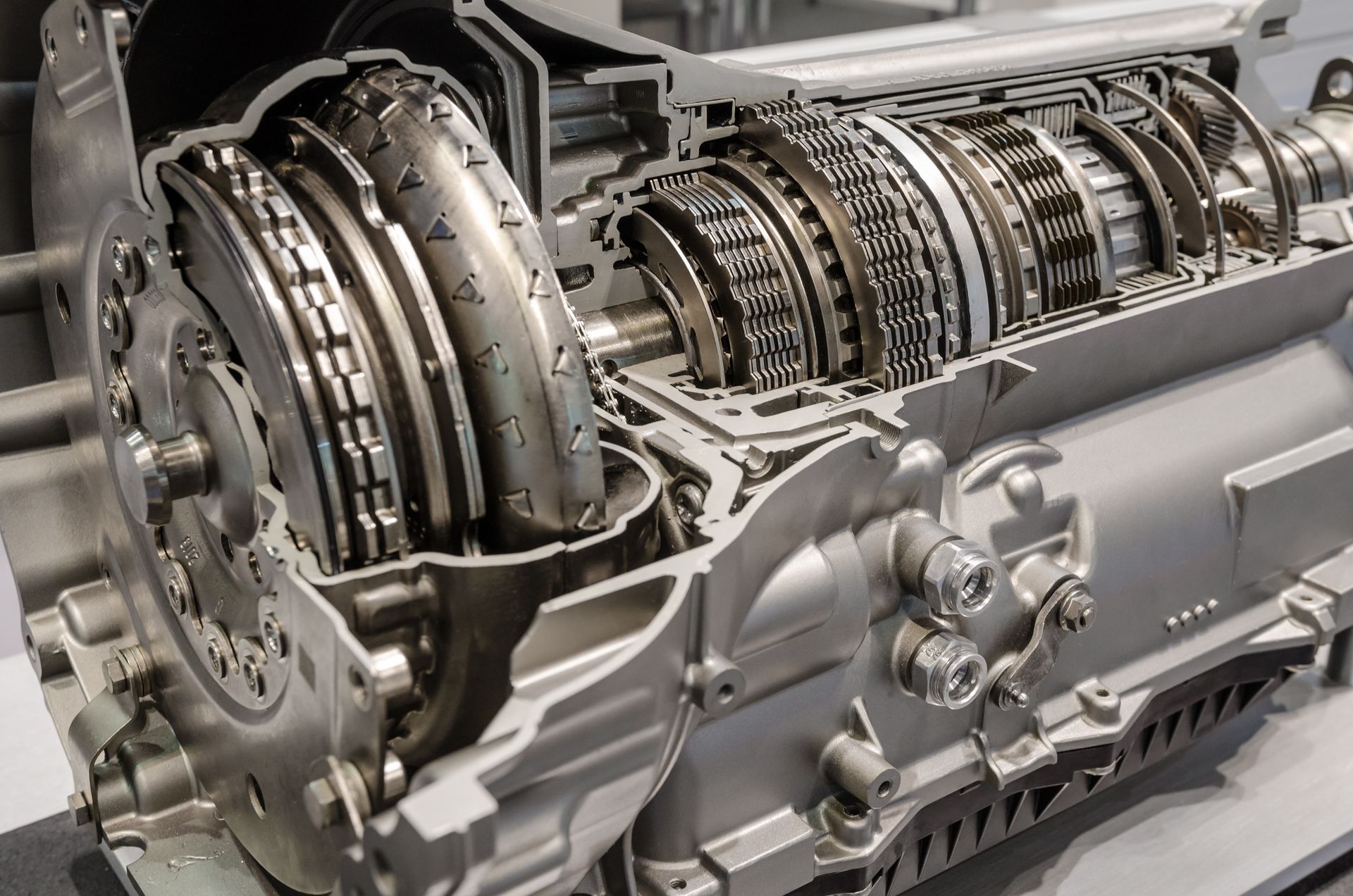
Transmission fluid performs several functions at the same time. It lubricates moving parts, helps control heat, supports hydraulic pressure, and allows clutches, valves, and gears to function properly. In automatic transmissions, the fluid is part of how the transmission actually functions.
As the fluid ages, it collects heat damage, friction material, metal particles, and contamination. It can get darker, smell burnt, and lose the smooth feel it once had. Once that happens, the transmission has to work harder to do the same job.
Old Fluid Creates More Heat
Heat is one of the biggest enemies of a transmission. Fresh fluid helps carry heat away from internal parts. Old fluid does that job poorly, especially after years of stop-and-go driving, towing, high temperatures, or heavy use.
Once heat builds, the fluid breaks down even faster. That can lead to harsher shifts, slipping, delayed engagement, and internal wear. Our technicians closely examine fluid color, smell, level, and condition because these details can reveal how hard the transmission has been working.
Shifting Problems Can Start Small
A skipped transmission fluid change does not always cause an immediate failure. The first signs can be easy to miss. The vehicle might hesitate before going into drive, shift harder than it used to, or feel like it flares slightly between gears. Some drivers notice a shudder at lower speeds or a delay after shifting from park.
Those symptoms can come and go at first. That is part of what makes them easy to dismiss. The problem is that slipping and delayed pressure can create more heat and wear inside the transmission. Waiting for the symptom to become obvious is rarely the cheaper choice.
Dirty Fluid Can Affect Valves And Solenoids
Modern transmissions rely on small passages, valves, and electronically controlled solenoids to manage shifting. Dirty or worn-out fluid can leave debris in places where clean flow is needed. When that happens, shifts can become inconsistent or harsh.
A valve body issue, pressure problem, or solenoid fault can feel like a major transmission failure from the driver’s seat. Sometimes the repair is more focused if it is caught early. If the fluid has been neglected for too long and internal wear has already spread, the repair can become much larger.
Low Fluid Makes The Damage Worse
Skipping fluid service is one concern. Driving with low transmission fluid is another. A leak from a cooler line, pan gasket, axle seal, or output seal can slowly lower the level. If there is not enough fluid, the transmission may not build the pressure needed to properly apply the internal parts.
Low fluid can cause slipping, overheating, and damage to clutch material. A small leak that could have been handled during regular maintenance can turn into internal transmission wear if the vehicle keeps being driven. That is why an inspection is important when there are spots under the car or a change in shifting feel.
When A Fluid Change Is No Longer Enough
Drivers sometimes wait until the transmission acts badly, then hope a fluid change will fix everything. Sometimes service helps, especially when the fluid is old, but the transmission is still healthy. Other times, the damage has already gone too far.
Burnt fluid, heavy debris, metal particles, slipping, or severe delayed engagement can point toward internal wear. At that stage, new fluid cannot rebuild worn clutch packs or repair damaged parts. The service that could have helped earlier may no longer be enough on its own.
Why The Right Service Method Matters
Transmission service is not the same on every vehicle. Some need a simple drain and fill. Others require a specific fluid type, filter replacement, pan service, temperature check, or scan-tool procedure. Using the wrong fluid or the wrong service method can create new problems.
We check the vehicle’s requirements before recommending service because transmission fluid is not one-size-fits-all. The right fluid, correct level, and proper procedure all matter. A cheap or careless service can do more harm than good.
Get Transmission Fluid Service In Tempe, AZ, With American Five Star Auto Repair & Transmission
If your transmission fluid is overdue, your vehicle is shifting differently, or you are not sure when the service was last done, American Five Star Auto Repair & Transmission in Tempe, AZ, can check the fluid condition and recommend the right next step.

How to Get 200,000+ Miles Out of Your Car Without Breaking the Bank | American Five Star Auto Repair