Your Car Deserves to Go the Distance
Most people expect their car to last about 100,000 miles before major repairs start to add up. But what if you could double that or more? Imagine getting 200,000 miles or even 300,000 miles out of your vehicle. That’s not just a dream, it’s entirely possible with the right care, regular maintenance, and a little know-how.
The good news is you don’t have to spend a fortune to keep your car running smoothly. In fact, proper maintenance is the most cost-effective way to ensure your car lasts for years without the dreaded repair bills. At American Five Star Auto Repair & Transmission, we’ve seen it time and time again that well-maintained cars go far beyond their expected lifespan. Here’s how to get the most out of your car without breaking the bank.
1. Prioritize Regular Maintenance: The Key to Longevity
Why Regular Maintenance Matters
We can’t stress this enough: regular maintenance is the most cost-effective way to keep your car on the road for 200,000 miles or more. Most people skip maintenance because they don’t see an immediate need for it. But skipping oil changes, ignoring worn-out brakes, or delaying tire rotations can all lead to more expensive problems down the road. That’s where a prevention is better than a cure mindset pays off.
Key Maintenance Tasks You Shouldn’t Skip:
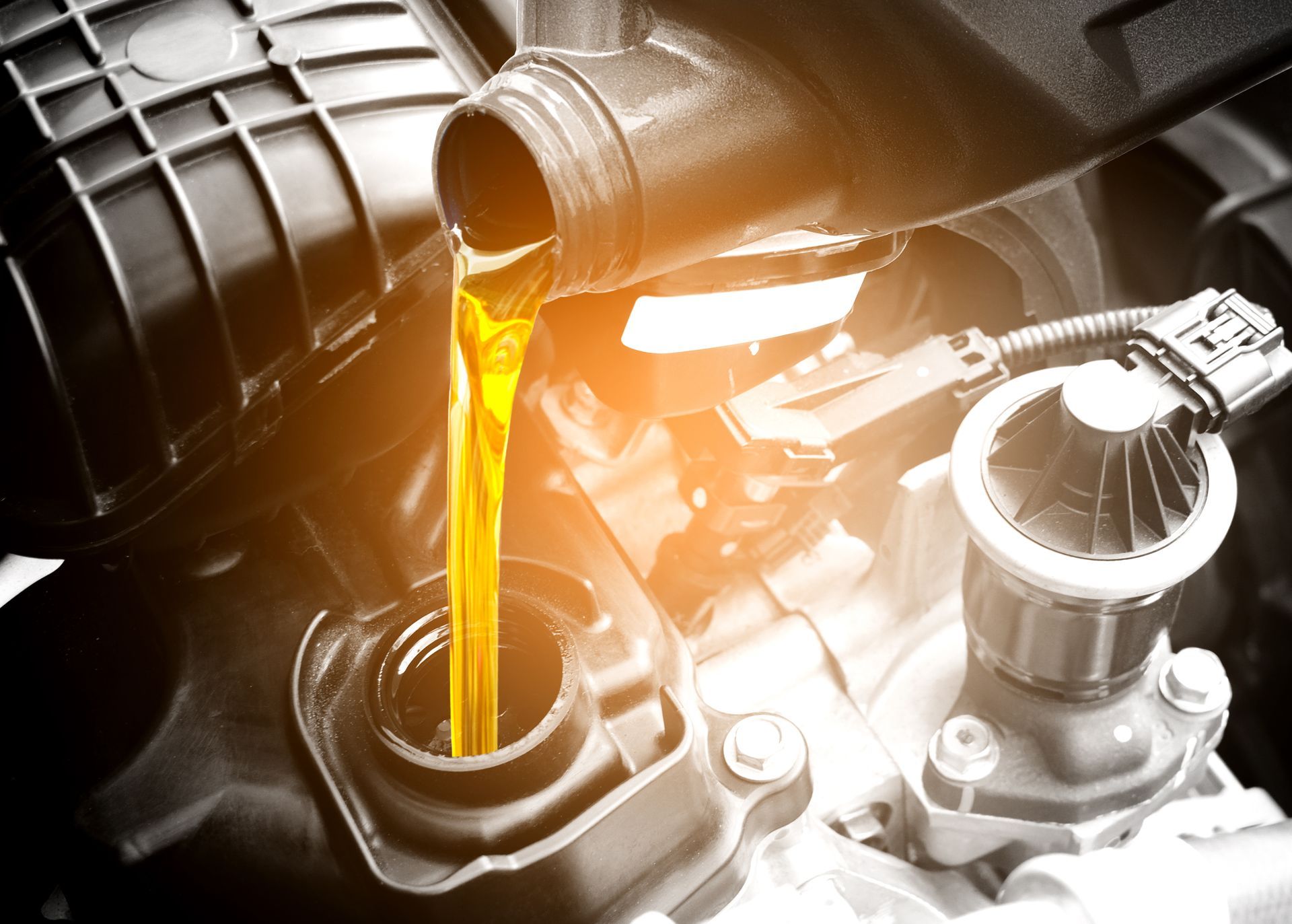
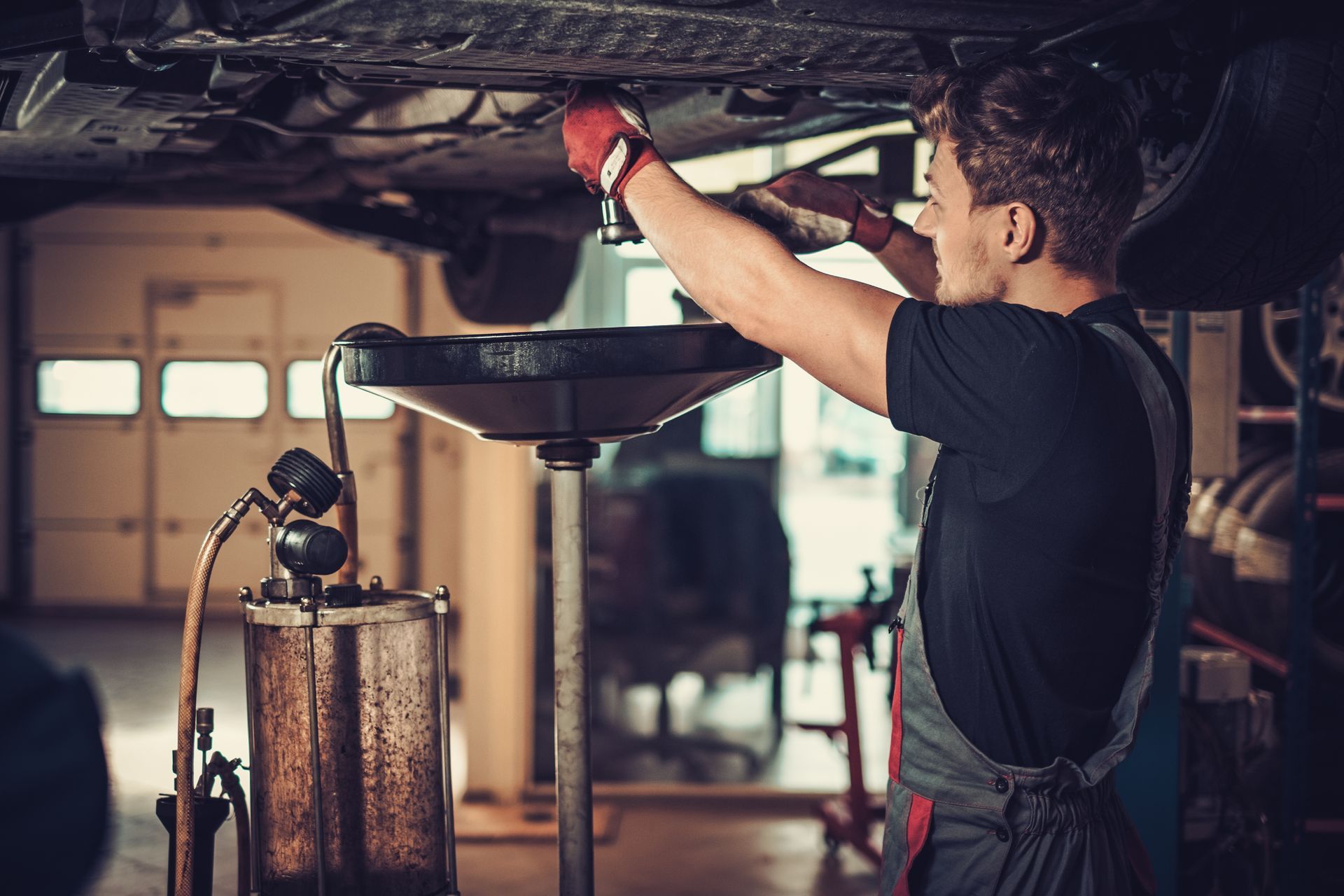
- Oil Changes: Regular oil changes keep your engine lubricated, reducing friction and preventing unnecessary wear. It’s simple and inexpensive, and it’s one of the most important things you can do for your car.
- Brake Inspections: Worn-out brake pads or failing rotors can lead to major safety issues and costly repairs. Have your brakes checked regularly to avoid larger problems.
- Tire Rotations and Alignments: Uneven tire wear can reduce your car’s fuel efficiency and overall lifespan. Rotating your tires and checking alignment every 6,000 miles keeps things rolling smoothly.
- Fluids: Don’t overlook fluid levels, transmission, brake, coolant, and power steering fluids. If these go unnoticed, it can lead to overheating or even system failures.
2. Don’t Wait for Problems to Show Up
Early Detection Saves You Money
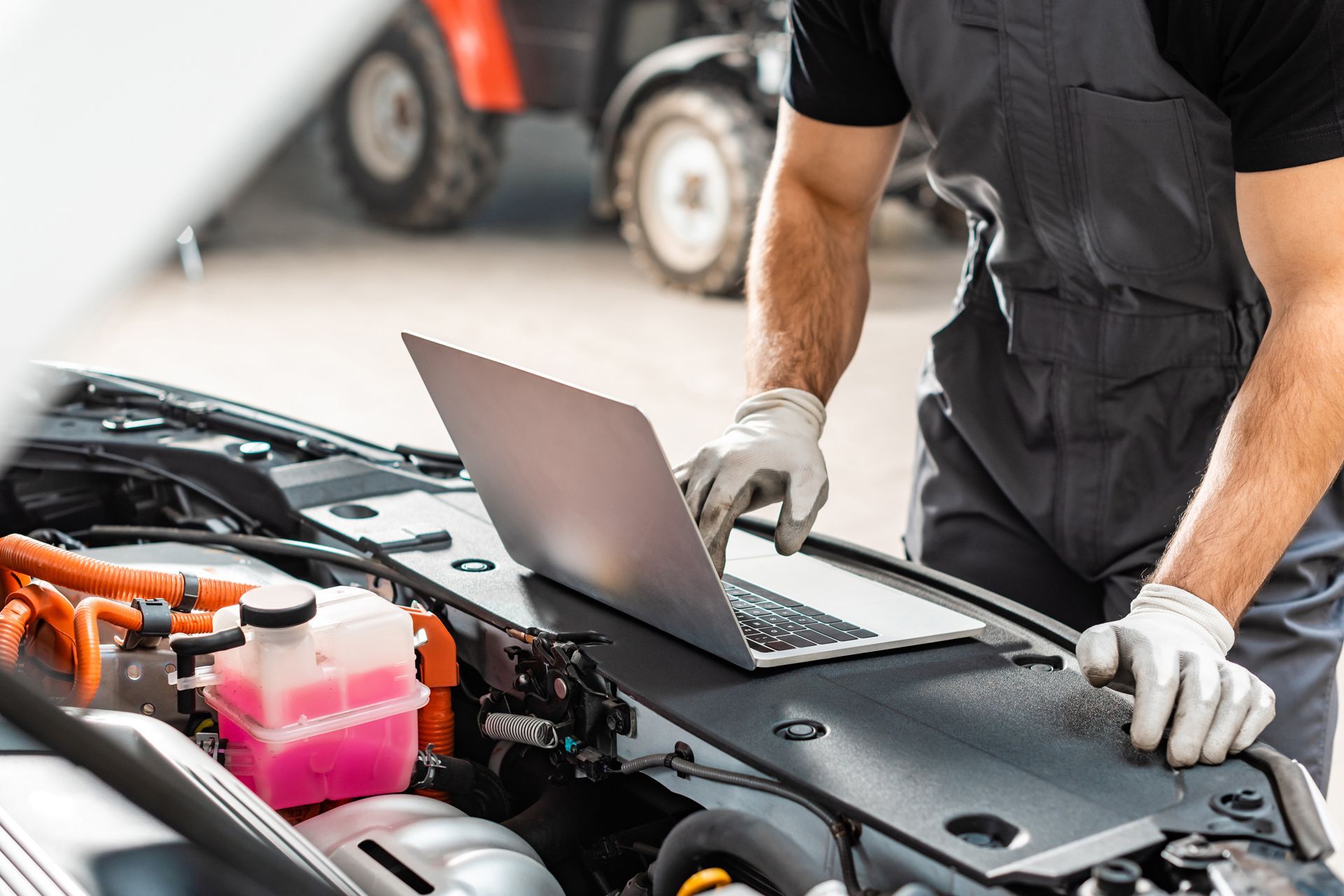
You may not always notice when something starts to go wrong with your car. That’s why diagnostic checks are essential. Waiting until your car breaks down on the side of the road is the worst way to deal with an issue. By the time something is visibly wrong, the damage is already done.
Early Detection Tips:
- Listen to Your Car: If you hear unusual sounds, such as squealing brakes, engine knocks, or grinding noises, don’t ignore them.
- Watch for Warning Lights: Pay attention to your check engine light. It might not seem urgent, but it could be the sign of something major.
- Have Regular Diagnostics: Regular diagnostics help catch issues like low fuel efficiency or a weak battery before they turn into costly repairs.
3. Keep an Eye on the Transmission: The Heart of Your Car
Why Transmission Health Is Crucial
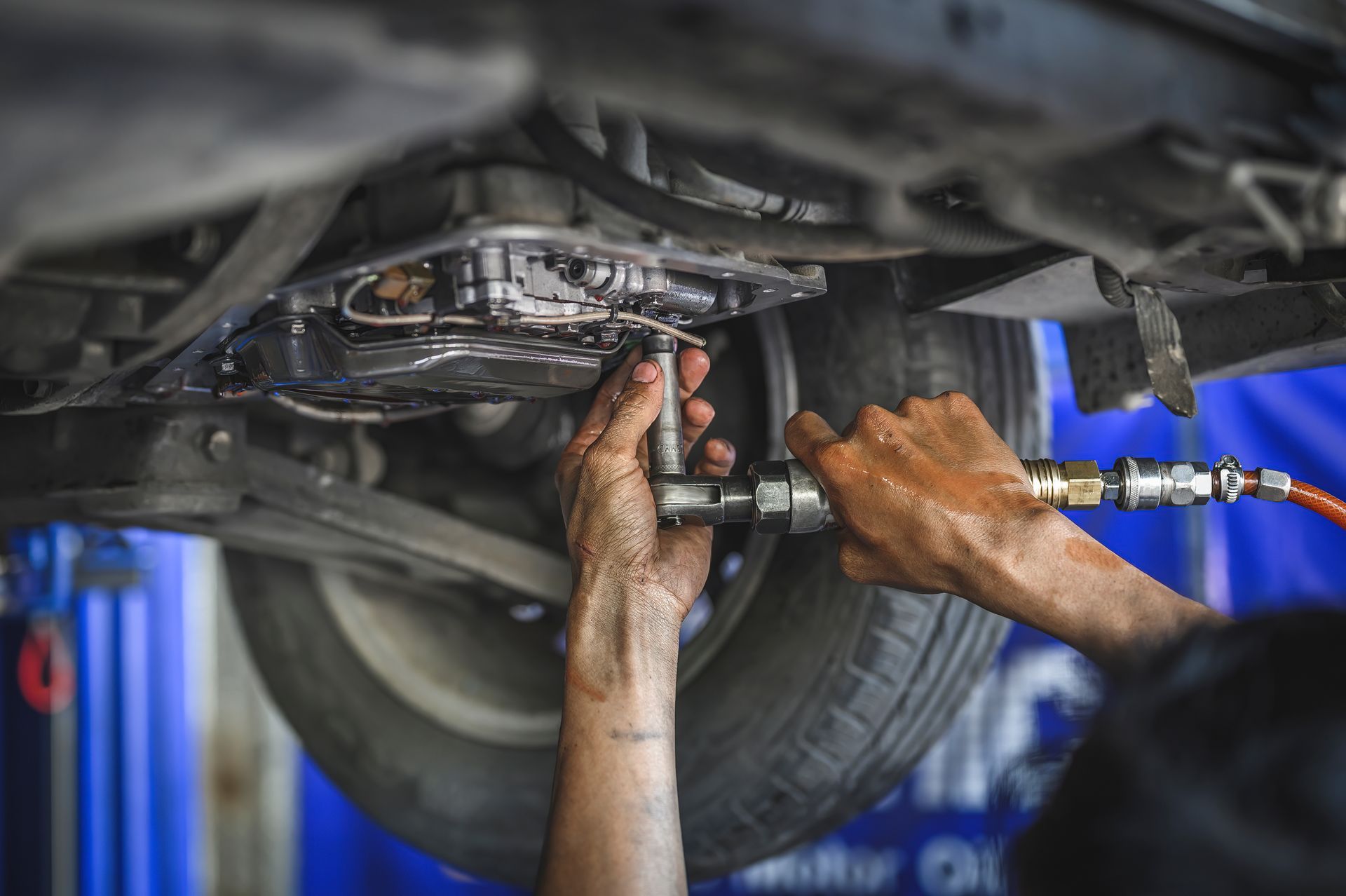
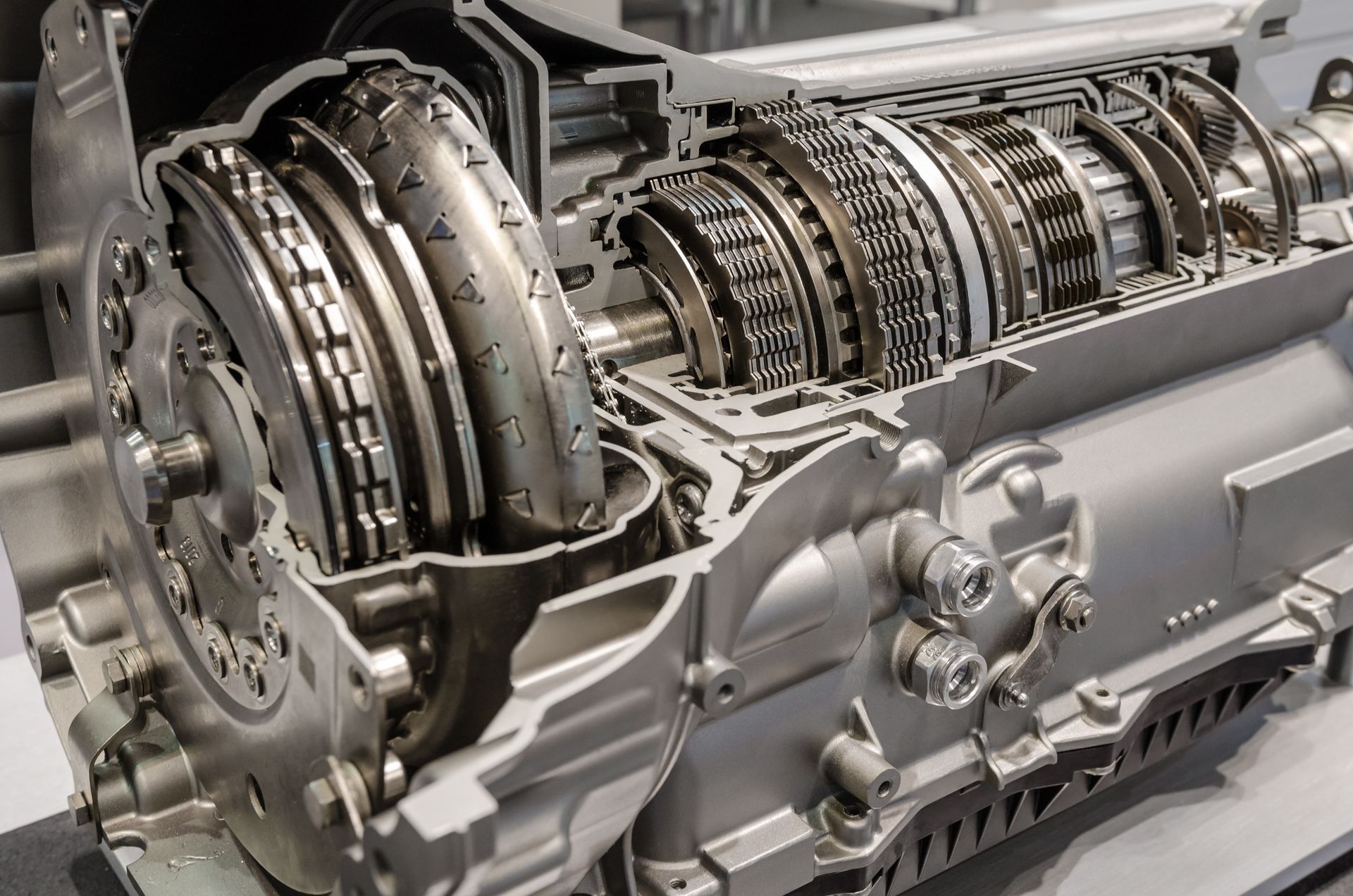
The transmission is one of the most important and expensive components of your car. A well-maintained transmission can easily last for over 200,000 miles, but neglecting it can lead to a costly replacement.
How to Care for Your Transmission:
- Change Transmission Fluid Regularly: Similar to engine oil, transmission fluid needs to be changed to keep the system running smoothly. Neglecting this leads to overheating and eventual failure.
- Flush the Transmission System: Every 30,000 to 60,000 miles, have the transmission system flushed to remove dirt and grime that can cause slipping or rough shifting.
4. Tires: The Foundation of a Long Life
Tires Are the First Line of Defense
Your tires are the only part of the car that touches the road, and they take the most abuse. Poor tire maintenance can reduce fuel efficiency, affect braking, and cause premature wear on your suspension. Keeping your tires in good shape is essential for longevity.
Tire Tips to Extend Your Car’s Life:
- Check Tire Pressure: Low tire pressure can reduce fuel economy and cause uneven wear. Check tire pressure at least once a month.
- Replace Tires When Necessary: Bald or damaged tires are unsafe. Replace tires at the first sign of significant wear.
- Rotate Tires Regularly: Rotating your tires every 6,000 miles ensures even wear and helps extend their lifespan.
5. Don’t Overlook the Cooling System
The Cooling System Prevents Overheating
Overheating is one of the quickest ways to damage an engine. A healthy cooling system ensures your engine stays at the right temperature, preventing damage from excess heat.
Cooling System Care:
- Flush the Radiator: Every 2 years, have your radiator flushed to remove debris and old coolant.
- Check for Leaks: Small leaks can lead to major cooling issues, so inspect the radiator and hoses regularly.
6. Drive With Care: Good Habits Go a Long Way
How Your Driving Habits Impact Longevity
How you drive plays a significant role in your car’s lifespan. Aggressive driving, like sudden stops, rapid acceleration, or high-speed driving, puts extra stress on the engine and transmission.
Good Driving Habits:
- Drive Smoothly: Avoid rapid acceleration and sudden stops. Your car will thank you.
- Use Overdrive: When cruising on highways, use overdrive to reduce engine strain and improve fuel efficiency.
- Don’t Overload the Car: Heavy loads put strain on your suspension and engine. Avoid overloading your car, especially on long trips.
Frequently Asked Questions
How often should I change my oil?
It’s recommended to change your oil every 3,000 to 5,000 miles, depending on your car’s make and model. Always refer to your owner’s manual for the best schedule.
How can I tell if my transmission is going bad?
Common signs include difficulty shifting, slipping gears, or strange noises when the car is in gear. If you notice these, schedule an inspection as soon as possible.
How can I save on car repairs without sacrificing quality?
Regular maintenance is the best way to save money. Catching small problems early will prevent bigger (and more expensive) issues down the road.
Do I really need to rotate my tires every 6,000 miles?
Yes. Tire rotation helps distribute wear evenly across all four tires, increasing their lifespan and improving your car’s handling and safety.
Get 200,000+ Miles Out of Your Car: Schedule an Appointment Today
The road to 200,000 miles doesn’t have to be a costly one. With the right care and maintenance, your car can easily go the distance. Schedule an appointment with us today to ensure your car stays in top shape for years to come.
Schedule Your Appointment Now! and let our expert team ensure your car is ready for the road ahead. Keep your vehicle running smoothly and avoid costly repairs with our thorough inspection and maintenance services. Don’t wait, get the most out of your car today!