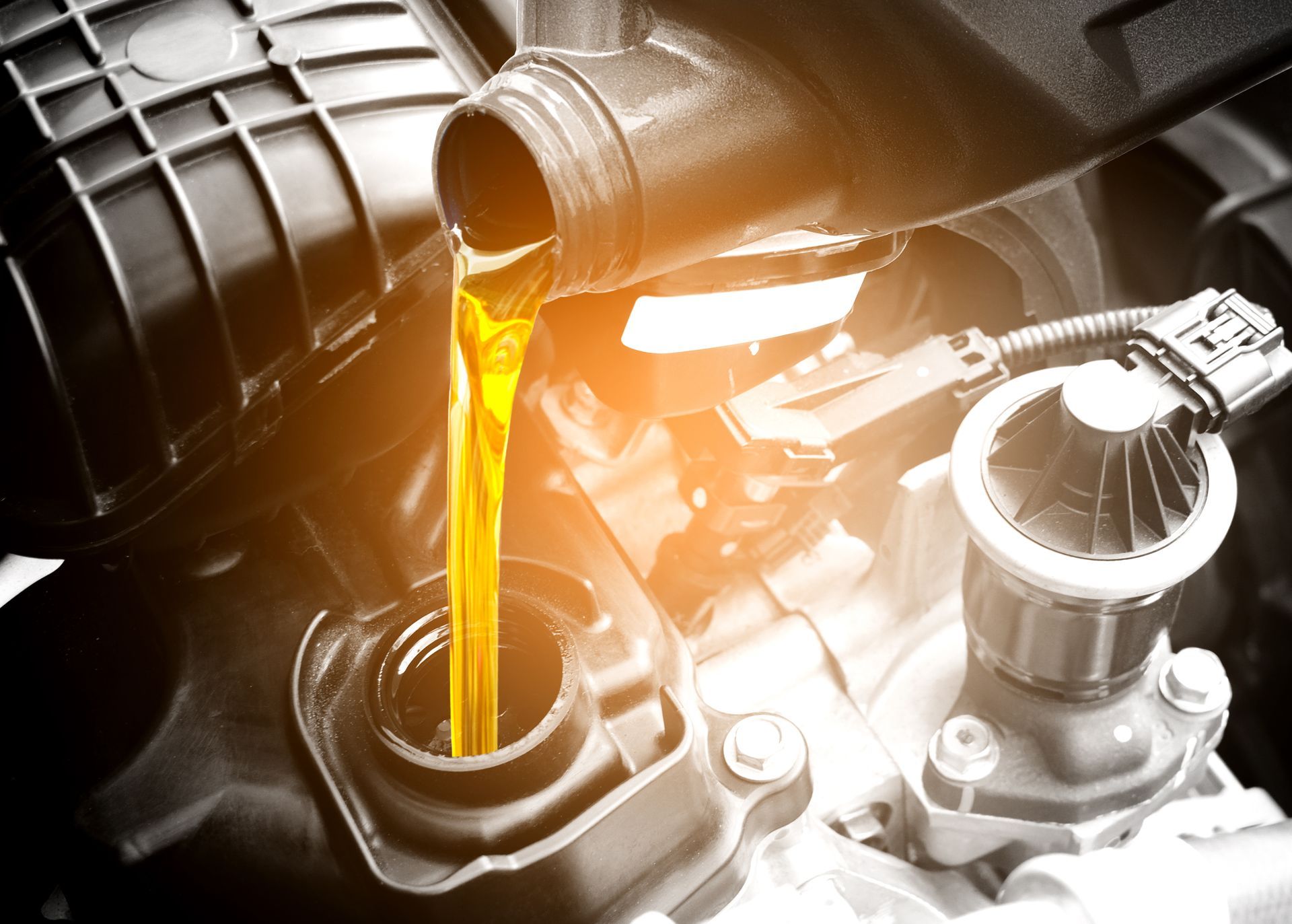
Oil changes sound simple, but they play a much bigger role than many drivers realize. Engine oil protects moving parts, helps control heat, carries away contaminants, and helps keep the engine from wearing down too quickly. When the oil gets old, low, dirty, or too thin, the engine has to work harder.
The tricky part is that your car may not always make it obvious right away. It might still start, drive, and feel normal while the oil is already past its best condition. Knowing the signs can help you schedule service before the engine starts showing more serious symptoms.
Check Your Mileage Since The Last Oil Change
Mileage is still one of the easiest ways to know when your car is due for an oil change. Every vehicle has a recommended service interval based on the engine design, oil type, and driving conditions. Some vehicles can go longer with synthetic oil, while others require shorter intervals due to age, mileage, or heavy use.
The service sticker on the windshield, your owner’s manual, or the maintenance reminder on the dashboard can help you track it. If you cannot remember the last oil change, that is already a good reason to check the oil condition. Waiting until the engine sounds different is not a good maintenance plan.
Watch The Oil Life Monitor Or Dashboard Light
Many modern vehicles have oil life monitors that estimate when oil service is due. These systems analyze driving patterns, mileage, temperature, and engine runtime. When the oil life gets low, the car may display a message or service reminder on the dashboard.
That reminder should not be ignored, but it should also be understood. An oil life monitor does not test the oil directly. It estimates the condition based on use. If your vehicle has low oil, a leak, heavy stop-and-go driving, or long service intervals, the engine may need attention before the reminder reaches zero.
Look For Dark, Dirty, Or Low Oil
Checking the dipstick can tell you quite a bit. Fresh oil is usually lighter and clearer. Older oil darkens as it accumulates heat, fuel residue, moisture, and tiny particles from normal engine operation. Dark oil alone does not always indicate a major problem, but dirty, gritty, or low oil does deserve attention.
Low oil is especially important. Some engines use oil between services, and older engines can be more likely to lose oil through leaks or consumption. If the oil level is below the safe range, the engine may not be getting enough protection. An inspection can help determine whether the issue is overdue service, a leak, or oil burning inside the engine.
Listen For New Engine Noise
Engine oil creates a protective film between moving parts. When oil gets old or low, that protection can weaken. You might hear ticking, tapping, rattling, or a rougher sound from the engine, especially during startup or while idling after startup.
Not every engine noise is caused by oil, but new noise should be checked soon. Running an engine with poor oil protection can increase wear on timing components, bearings, lifters, and other internal parts. If the engine sounds different from how it did before, it is better to stop wondering and have it checked.
Notice Burning Smells Or Oil Leaks
A burning oil smell can indicate oil leaking onto the hot engine or onto exhaust parts. You may notice it after driving, when parked, or when the heater or vents pull the smell into the cabin. Small leaks can come from valve cover gaskets, oil filter housings, oil pans, drain plugs, or other sealing points.
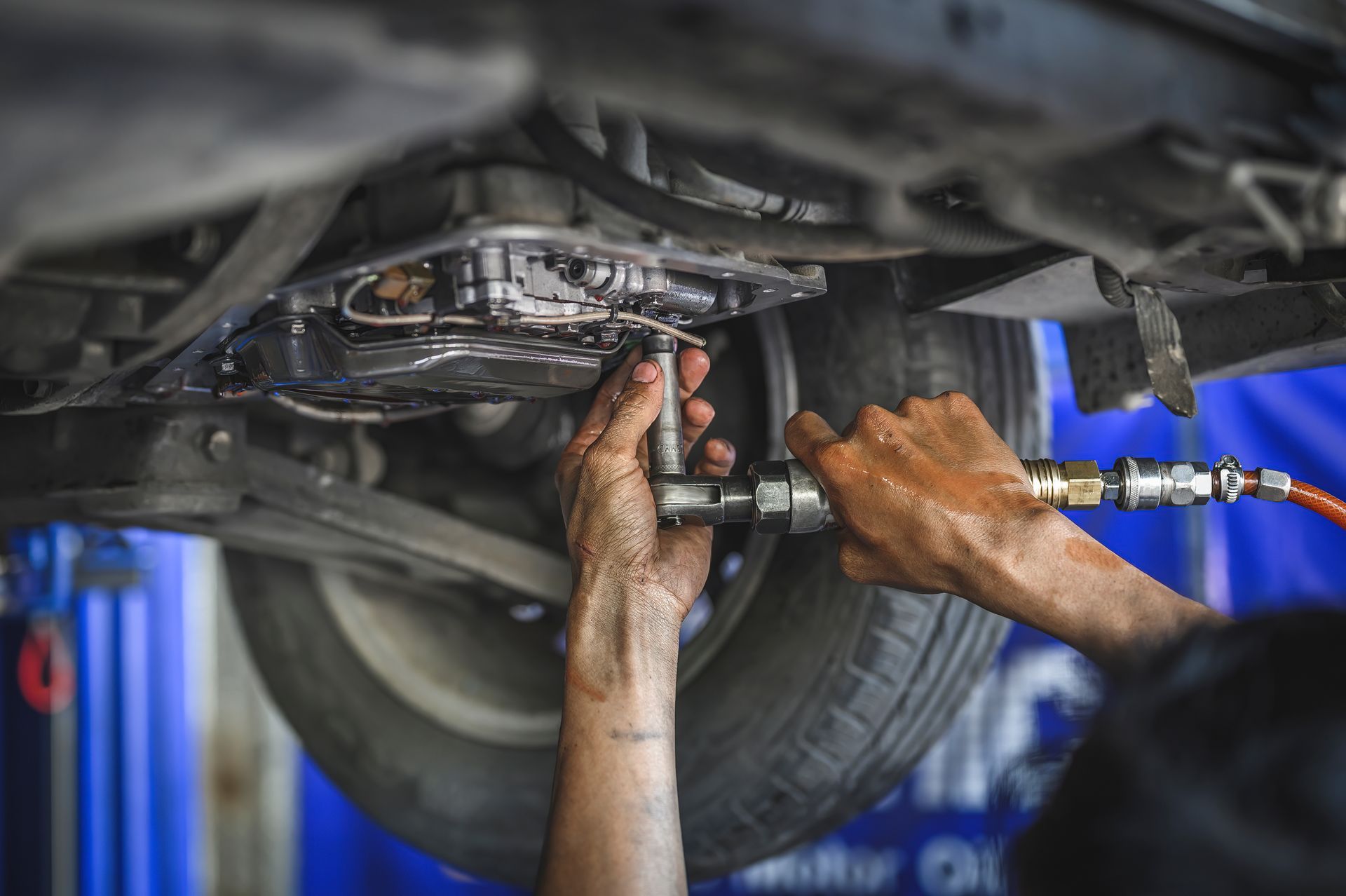
Oil spots under the car are another clue. A few drops may not look serious, but leaks can spread and lower the oil level over time. An oil change visit is a good time to look for leaks, as the vehicle can be lifted, checked underneath, and cleaned up as needed.
Think About How You Drive
Driving conditions affect oil life. Short trips, heavy traffic, high heat, dusty roads, towing, long idling, and frequent city driving can make oil work harder. The engine may not always reach full operating temperature on short trips, which can leave moisture and fuel contamination in the oil.
In Tempe, heat can also be tough on vehicles. Hot weather, pavement heat, and stop-and-go driving can make regular maintenance even more important. If your driving is harder than average, your vehicle may need oil service sooner than the standard interval suggests.
Do Not Ignore Poor Performance Or Fuel Economy
Old or low oil can make the engine work harder, though it is not the only cause of performance issues. If the car feels sluggish, idles roughly, uses more fuel than normal, or smells different, the oil condition should be part of the check. Filters, spark plugs, sensors, fuel system concerns, and other issues can also play a role.
That is why a basic oil change should still include a look at the vehicle’s overall condition. The right oil, a quality filter, proper level, and a quick check for leaks or worn parts can help prevent small service items from being missed.
Get Oil Change Service In Tempe, AZ, With American Five Star Auto Repair & Transmission
If your oil is dirty, low, overdue, or you are not sure when it was last changed, American Five Star Auto Repair & Transmission in Tempe, AZ, can help with the right oil service for your vehicle.
How to Get 200,000+ Miles Out of Your Car Without Breaking the Bank | American Five Star Auto Repair